Career Exploration
Career Exploration guides on Jobstepup.

How to Become a Veterinary Technician: A Step-by-Step Guide
Veterinary technicians are the nurses of animal medicine. You draw blood, take x-rays, run lab tests, monitor anesthesia, give medications and record case histories while a veterinarian directs care (U.S. Bureau of Labor Statistics, 2025). Most people get there through an associate degree from a program accredited by the AVMA Committee on Veterinary Technician Education and Activities (CVTEA), then a credentialing exam — the Veterinary Technician National Examination (VTNE).

So You Want to Be a Physical Therapist Assistant: Is It a Good Fit?
Physical therapist assistants (PTAs) work under the direction and supervision of physical therapists, helping patients recovering from injuries and illnesses regain movement and manage pain (U.S. Bureau of Labor Statistics, 2025). The job suits people who want patient contact all day, are comfortable kneeling, bending and lifting, and who can write accurate progress notes the supervising therapist relies on.
Is a Career in Veterinary Technology Right for You?
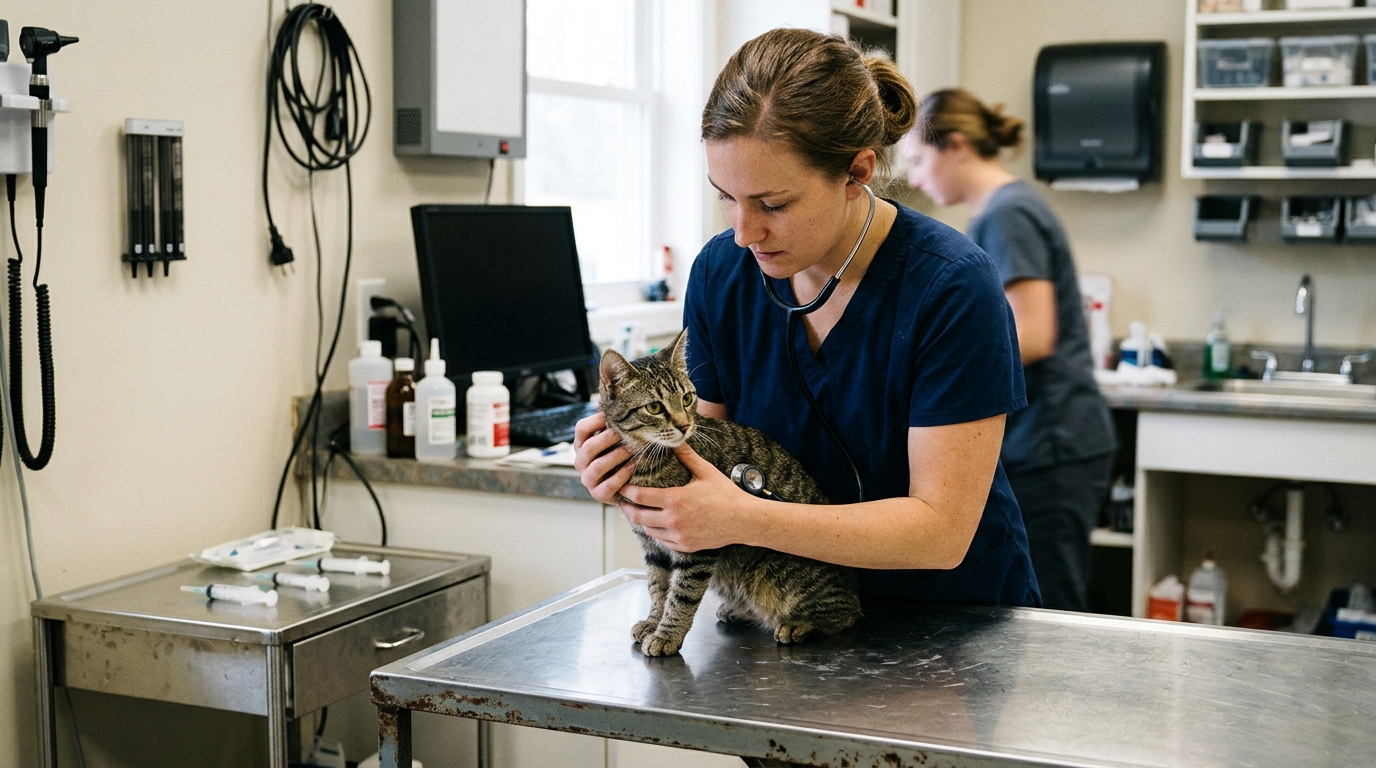
Veterinary technology suits people who want hands-on medical work with animals and can handle the physical and emotional side of it: restraining scared patients, running blood counts, monitoring anesthesia, and sometimes assisting with euthanasia. Most roles require an AVMA-accredited associate's or bachelor's degree and a passing score on the Veterinary Technician National Examination (VTNE), plus state credentialing (NAVTA; U.S. Bureau of Labor Statistics, 2025).

Breaking Into Welding: Where to Start
Welding is a hands-on trade you can usually enter with a high school diploma or equivalent plus technical training, and employers typically add on-the-job training after you are hired (U.S. Bureau of Labor Statistics, 2025). Training is available through high school programs, vocational-technical institutes, community colleges, private welding schools, and the U.S. Armed Forces, and some people start through an employer-based apprenticeship open to those with no prior experience (U.S. Bureau of Labor Statistics, 2025).

Is a Career in Accounting Right for You?
Accounting suits people who like closing a question rather than leaving it open: tying a bank balance to the penny, finding why a tax figure moved, deciding whether a financial statement can be signed off. Accountants and auditors prepare and examine financial records, examine financial statements for accuracy and compliance with laws and regulations, compute taxes owed and prepare returns, and inspect account books for efficiency and signs of fraud risk (U.S. Bureau of Labor Statistics, 2025).
Veterinary Technician vs Veterinary Assistant: Which One Fits You Better?
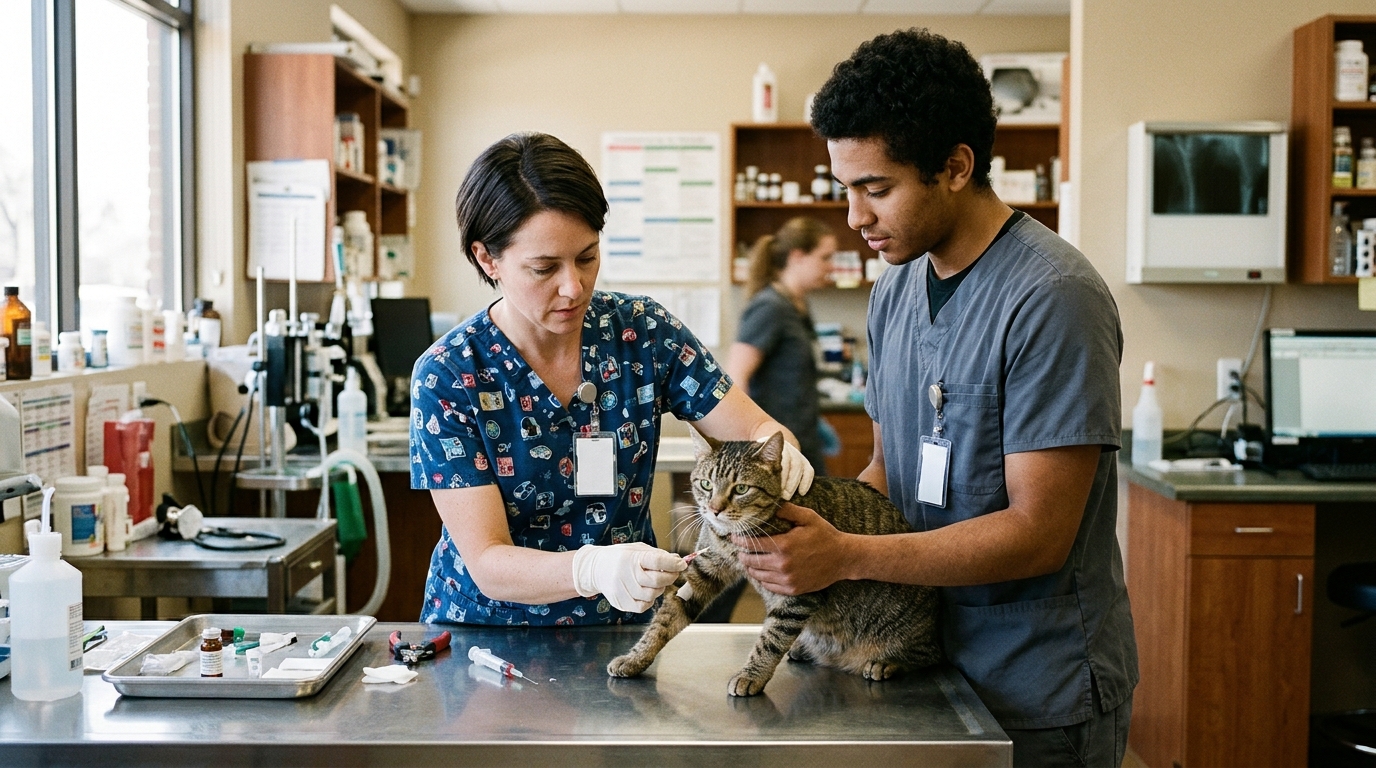
Veterinary technicians and veterinary assistants work side by side in the same treatment rooms, but they get there by very different routes. Technicians complete a postsecondary veterinary technology program — usually a two-year associate degree — and typically pass a credentialing exam to be registered, licensed or certified depending on the state, while most assistants enter with a high school diploma or equivalent and learn on the job (U.S. Bureau of Labor Statistics, 2025).
Physical Therapist vs Occupational Therapist: Which One Fits You Better?
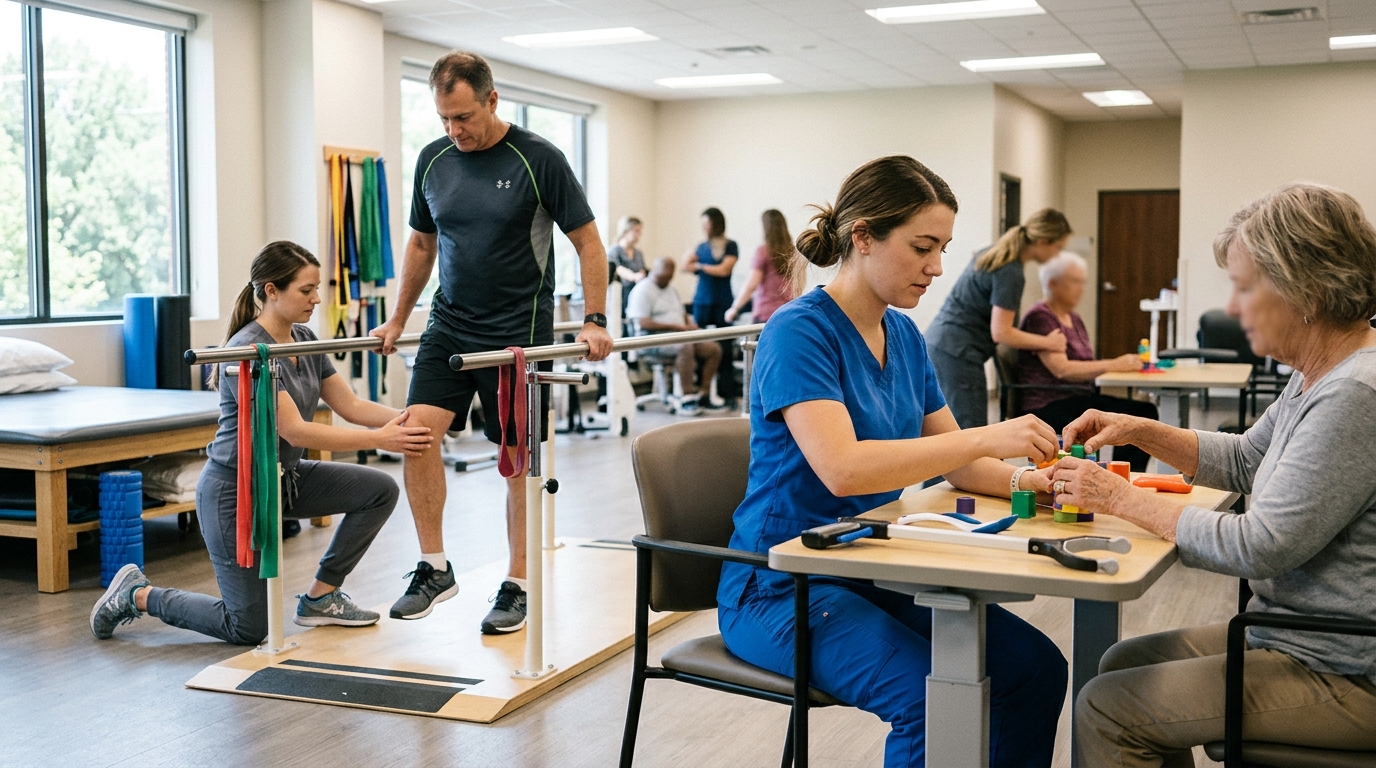
Physical therapists treat movement problems — strength, range of motion, balance, walking. Occupational therapists treat participation in daily activities — dressing, bathing, cooking, handwriting, returning to a job. The two overlap in setting, caseload and licensing, but they diverge in the entry degree (a 3-year Doctor of Physical Therapy versus a 2-to-3-year master's) and in what a treatment session looks like.